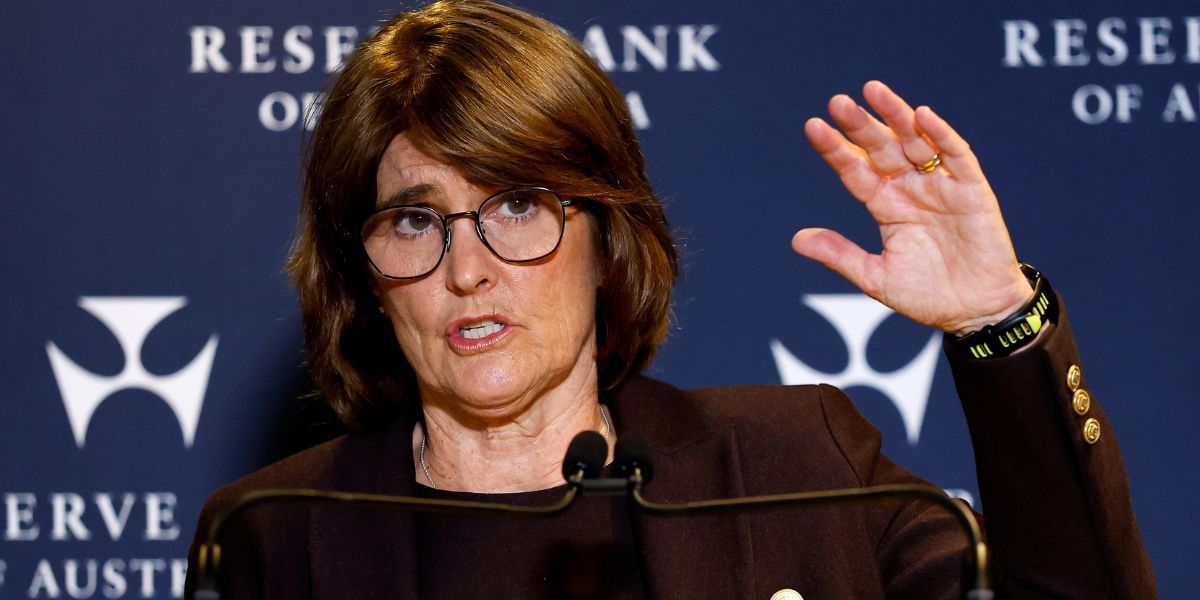
If you were crossing your fingers for a bit of relief on your monthly mortgage repayments, you might want to look away now. On September 29, 2026, the Reserve Bank of Australia (RBA) officially raised the cash rate target by another 25 basis points (which is a 0.25 percentage point increase).
This brings the official interest rate to a sweaty 4.60 per cent, making it the fourth time rates have jumped this year alone. It is a frustrating update for anyone with a variable home loan. If you are trying to balance the household budget, navigating these changes can feel like a full-time job. Let’s break down what just happened, why it is happening, and what to expect next, without the confusing financial jargon.
The September Surprise
In a unanimous decision, the RBA board decided to tighten financial conditions once again. A 0.25 percentage point increase might sound tiny on paper, but it adds up surprisingly fast when applied to a home loan.
For context, this bump brings the cash rate to a 15-year high. While this is a tough pill to swallow for borrowers who are already feeling the pinch, it is actually a different story if you are sitting on cash. If you have money tucked away in a bank account, you might soon see higher interest payments landing in your savings, provided your bank actually passes the rate on, of course.
Why Are Interest Rates Still Going Up?
You can blame a very familiar enemy: inflation. The central bank has a strict goal to keep inflation sitting comfortably between 2 and 3 per cent. While the economy had been stabilising for a short while, recent data showed that inflation is still running hotter than expected, currently hovering at 3.5 per cent.
The RBA noted a few main culprits for this stubborn inflation. Higher global energy prices, largely driven by disruptions to worldwide oil supplies, are pushing up the cost of fuel. When fuel costs more, transporting goods costs more, and those price increases are eventually passed on to you at the supermarket checkout. On top of that, the cost of everyday services remains elevated, and domestic capacity pressures are keeping prices buoyant. The board decided they needed to act quickly to prevent these high prices from becoming a permanent fixture in our economy.
Could Rates Increase Even Further?
This is the million-dollar question, and unfortunately, the RBA has left the door wide open for future rate rises. They have clearly stated that further increases remain a real possibility if inflation does not start dropping faster.
The board will continue to monitor economic data closely over the coming months, with their next update scheduled for November 3. With more meetings scheduled before the end of the year, financial markets are nervously waiting to see if a fifth rate hike will hit before we even start thinking about our holiday shopping.
What Can We Do Next?
If you have a variable rate mortgage, your monthly payments are likely to go up in the coming weeks as lenders pass on the full rate hike. Now is a fantastic time to sit down with your budget and see where you can adjust. It is also a smart move to shop around and compare home loan rates, as some lenders might offer better deals to win your business. Do not be afraid to pick up the phone and negotiate with your current bank, sometimes just asking for a better rate is enough to secure a discount.